Mubarak explained that the upgrade mainly reflects a rebound in investment activity and a reduction in the negative impact of net exports.

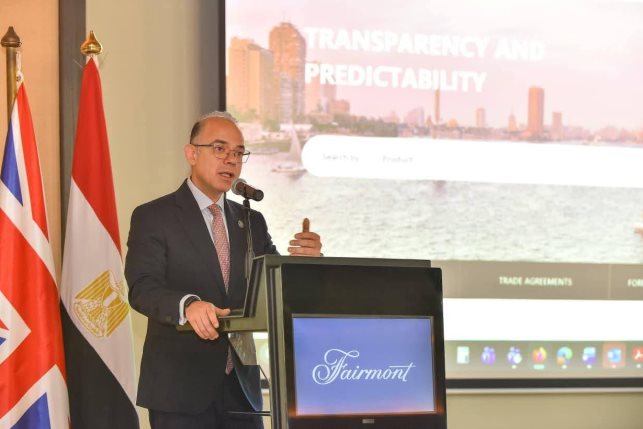
BMI Research, a unit of Fitch Solutions, expects Egypt’s gross domestic product (GDP) to grow by around 5% in the current fiscal year — an upward revision of 0.3 percentage points from its previous forecast issued in August, according to Ramona Mubarak, Head of MENA Risk at Fitch Solutions, who spoke during a recent webinar covered by Enterprise.
Mubarak explained that the upgrade mainly reflects a rebound in investment activity and a reduction in the negative impact of net exports.
She noted that lower interest and inflation rates are expected to stimulate private-sector investment, particularly in manufacturing, while the attractive exchange rate of the Egyptian pound will likely bolster foreign direct investment inflows and sustain export growth.
Since the start of the monetary easing cycle in April, the Central Bank of Egypt (CBE) has cut interest rates by a total of 625 basis points, including the most recent 100 bps cut in early October, supported by inflation falling to its lowest level in several years.
Fitch Solutions expects average inflation to stand at 14% this year, down 0.4 percentage points from its August forecast. Inflation may rise temporarily in the coming months following recent fuel price hikes, before resuming its downward trajectory.
For 2026, however, the research unit raised its inflation forecast slightly to 10.5% from 10%, expecting price stability to persist over the medium term.
Despite potential inflationary pressures from fuel price increases, Fitch Solutions anticipates that the CBE will deliver another 100 bps rate cut in December, bringing the lending rate to 21%.
Mubarak said this outlook is supported by declining inflation, a stronger pound, and global monetary easing.
She added that the central bank could cut rates by a total of 975 bps in 2026 to spur private investment and reduce debt-servicing burdens.
However, Mubarak cautioned that the CBE may slow the pace of easing to preserve the appeal of carry trades, as Egypt continues to attract high-yield-seeking capital inflows. She emphasized that the authorities’ top priority remains maintaining currency stability and sustaining foreign investment flows.
The Egyptian pound has recently strengthened, trading below EGP 48 per US dollar, outperforming Fitch Solutions’ earlier expectations. The rally was driven by improved market sentiment following the ceasefire, optimism over the resumption of Suez Canal traffic, and a revival in tourism.
Nonetheless, Mubarak warned that the pound could face temporary pressure before year-end due to capital outflows and the repayment of around $ 8 billion in short-term debt in December.
She expects, however, that the currency will recover part of its losses early next year and remain relatively stable throughout 2026, provided no major external shocks occur.
Looking beyond Egypt, Fitch Solutions forecasts regional growth in the Middle East and North Africa (MENA) to accelerate for a second consecutive year, reaching 3.6% in 2026, up from 3% in 2025, driven by stronger performances across most economies.
Growth in North Africa is projected to rise to 4.1% in 2026, compared to 4% in 2025, supported primarily by Egypt’s economic recovery.