El-Maayergi confirmed that Egypt has already joined the Pan-African Payment and Settlement System (PAPSS), with several Egyptian banks already approved by the Central Bank of Egypt to participate, and more expected to follow.
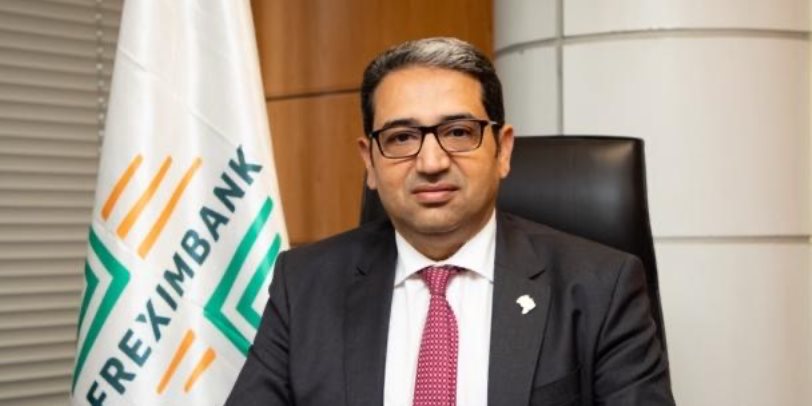
Executive Vice President of the African Export-Import Bank (Afreximbank), Haytham El-Maayergi, said the bank is continuing to expand its financing role across African countries, including Egypt, to support intra-African trade, industrialization, and broader economic development on the continent.
Speaking on the sidelines of a press conference on the 33rd Afreximbank Annual Meetings, El-Maayergi said the bank is already financing a wide range of critical sectors across Africa, including energy, fertilizers, food products, and construction, noting that Egypt, being a founding and key member of the bank, benefits from these facilities in supporting its development projects and its strategic orientation toward African markets.
He added that the bank is in ongoing discussions with African countries over new financing opportunities, reflecting growing demand for its instruments to support economic growth across the continent.
On the proposed African Gold Bank project, El-Maayergi said technical studies are nearing completion, with details expected to be announced soon, explaining that the initiative aims to strengthen Africa’s control over gold value chains as a strategic resource.
He noted that Afreximbank is primarily owned by African governments, central banks, and financial institutions, with non-African ownership accounting for less than 10%, adding that the gold bank concept would allow African central banks to store gold and use it to support financial stability and reserves.
On cross-border payments, El-Maayergi confirmed that Egypt has already joined the Pan-African Payment and Settlement System (PAPSS), with several Egyptian banks already approved by the Central Bank of Egypt to participate, and more expected to follow.
He said the system is expected to transform intra-African trade by enabling transactions in local currencies instead of foreign currencies, reducing pressure on hard currency reserves and supporting key sectors such as pharmaceuticals and industrial exports.
El-Maayergi added that the system is expected to begin full implementation in the second half of 2026, describing it as a major step toward deeper and more efficient African economic integration.
He also called on Egyptian companies to actively participate in the upcoming Annual Meetings, saying the event offers a strong platform for new partnerships and investment opportunities across Africa.